
Running a successful business requires more than delivering quality products or services. Daily operations involve financial management, employee safety, communication, transportation, workplace maintenance, and many other responsibilities. When these areas are not coordinated effectively, small inefficiencies can lead to missed deadlines, unnecessary expenses, and disruptions that affect productivity.
Improving operations starts with understanding how different processes work together. Reviewing existing procedures can reveal opportunities to reduce delays, improve resource allocation, and create a more organized workplace. Businesses should also evaluate their professional service providers and determine whether current arrangements still meet their needs.
You do not have to change everything at once. Start by identifying recurring challenges, setting practical priorities, and introducing improvements that support your company’s goals. Consistent evaluation helps you make informed decisions and build processes that can adapt as your business grows.
Strengthen Financial Oversight With Consistent Planning and Reporting
Accurate financial records help business owners understand how money moves through the company. Regularly reviewing revenue, operating expenses, payroll, and outstanding invoices can reveal problems before they affect cash flow. It also gives managers a clearer picture of which activities require additional resources and which expenses may need attention.
Working with corporate accountants can help you organize financial information, prepare reports, and evaluate important business decisions. Establish a consistent reporting schedule so you can compare results over time rather than relying on occasional reviews.
Improve financial oversight by:
- Creating an operating budget: Account for recurring expenses, payroll, supplies, and planned investments.
- Monitoring cash flow: Review incoming payments and outstanding obligations regularly.
- Tracking expenses: Organize spending by department or project to identify unusual increases.
- Reviewing financial reports: Compare actual results with budget projections and investigate significant differences.
- Planning ahead: Set aside resources for anticipated expenses and unexpected business needs.
Keep financial records organized and establish clear procedures for approving purchases. Consistent oversight makes it easier to identify financial concerns and allocate resources responsibly.
Establish Clear Procedures for Managing Legal and Contractual Responsibilities
Legal responsibilities affect many everyday business decisions, from hiring employees to purchasing equipment and entering agreements with vendors. Unclear contracts or outdated internal policies can create disputes, delays, and unexpected obligations. Businesses should establish procedures for reviewing important documents before commitments are made.
Corporate lawyers can provide guidance on contracts, employment matters, business structure, regulatory requirements, and commercial disputes. Their involvement may be particularly useful when a company expands, changes ownership, enters a significant agreement, or introduces new services.
Develop a practical process for managing legal responsibilities:
- Review agreements: Check payment terms, deadlines, responsibilities, and termination provisions before signing.
- Document decisions: Keep written records of important approvals and business commitments.
- Update policies: Revisit workplace procedures when laws or business operations change.
- Protect business assets: Address intellectual property and confidentiality requirements.
- Set approval limits: Determine who can negotiate and authorize contracts.
Maintain organized copies of agreements, licenses, policies, and other important records. Clear procedures help employees understand when they need approval and when professional legal guidance is appropriate.
Build Safer Workplace Procedures and Reduce Preventable Risks
Workplace safety directly affects employees and business continuity. Hazards such as obstructed walkways, improperly stored materials, poorly maintained equipment, and repetitive tasks can contribute to injuries. Regular inspections and employee feedback help managers identify concerns that may otherwise go unnoticed.
Businesses should establish written safety procedures that explain how to handle equipment, report incidents, and respond to emergencies. Training should reflect the actual responsibilities and potential hazards associated with each position. Managers should also review whether employees have appropriate protective equipment and understand how to use it.
Include these practices in your safety program:
- Inspect work areas and equipment on a consistent schedule.
- Keep walkways, exits, and emergency equipment accessible.
- Provide job-specific safety training for new and existing employees.
- Document incidents and investigate their underlying causes.
- Review applicable workman comp requirements and reporting procedures.
Also establish a clear process for communicating injuries and coordinating appropriate return-to-work arrangements. Review safety procedures when equipment, staffing, or workplace conditions change. Consistent attention can help reduce preventable risks and clarify everyone’s responsibilities.
Improve Internal Coordination With More Organized Communication Processes
Poor communication can cause duplicated work, missed deadlines, and confusion about responsibilities. These problems often arise when employees use different platforms, receive inconsistent instructions, or cannot easily locate important updates. Establishing shared communication procedures helps departments coordinate their work.
Business communication solution services may help companies organize messaging, video meetings, file sharing, and other information exchange. Before adopting a platform, identify the problems you want to address. A growing company may need centralized project updates, while a business with remote employees may prioritize reliable video meetings and shared documents.
Improve communication by:
- Choosing appropriate channels: Use different tools for urgent messages, project discussions, and formal announcements.
- Setting expectations: Explain when employees should respond and where updates belong.
- Centralizing information: Store important documents in accessible, organized locations.
- Reducing unnecessary meetings: Share routine updates in writing when discussion is not required.
- Creating feedback opportunities: Give employees a way to raise concerns and suggest improvements.
Review your communication procedures periodically. Ask employees which processes work and where information gets delayed. Adjusting tools and expectations can make collaboration more consistent across the company.
Organize Business Travel and Employee Transportation More Effectively
Business travel involves scheduling, budgeting, coordination, and communication. Poor planning can result in missed appointments, late arrivals, and unnecessary transportation expenses. Establishing clear procedures helps employees understand how to arrange travel and what information they need to provide.
Corporate transportation may be useful for client meetings, airport transfers, conferences, company events, and other situations involving multiple passengers. When evaluating providers, consider vehicle availability, passenger capacity, scheduling flexibility, accessibility, and service coverage. The appropriate arrangement depends on the distance, number of travelers, and purpose of the trip.
Create a consistent travel process by:
- Setting approval requirements for business transportation expenses.
- Confirming pickup locations, departure times, and passenger details.
- Sharing itineraries with employees and relevant contacts.
- Identifying a contact for last-minute schedule changes.
- Keeping receipts and documenting transportation expenses.
For recurring travel needs, compare arrangements based on reliability and overall cost rather than choosing solely by the lowest quoted price. Clear planning helps employees arrive prepared and reduces avoidable scheduling problems.
Make Employee Events and Workplace Meals Easier to Coordinate
Meetings, training sessions, and employee events often involve food arrangements that need to fit the schedule and available budget. Planning these details in advance helps prevent delays and allows employees to focus on the purpose of the gathering.
Corporate catering can simplify meal coordination for conferences, staff appreciation events, client meetings, and larger workplace functions. Start by confirming attendance and determining whether food is needed for breakfast, lunch, dinner, or refreshments. Consider dietary restrictions and food allergies when reviewing menus.
Before placing an order, confirm:
- Attendance: Estimate how many people will need meals.
- Menu options: Check for suitable choices and dietary accommodations.
- Delivery timing: Schedule arrival with enough time for setup.
- Serving arrangements: Determine whether meals will be individually packaged or served buffet-style.
- Costs: Review per-person pricing, delivery fees, and any additional charges.
Assign someone to coordinate the order, communicate changes, and manage setup. For recurring meetings, document preferred menus and ordering procedures. This reduces repeated planning work and helps maintain consistency across events.
Make Workplace Identification Clear and Consistent for Visitors
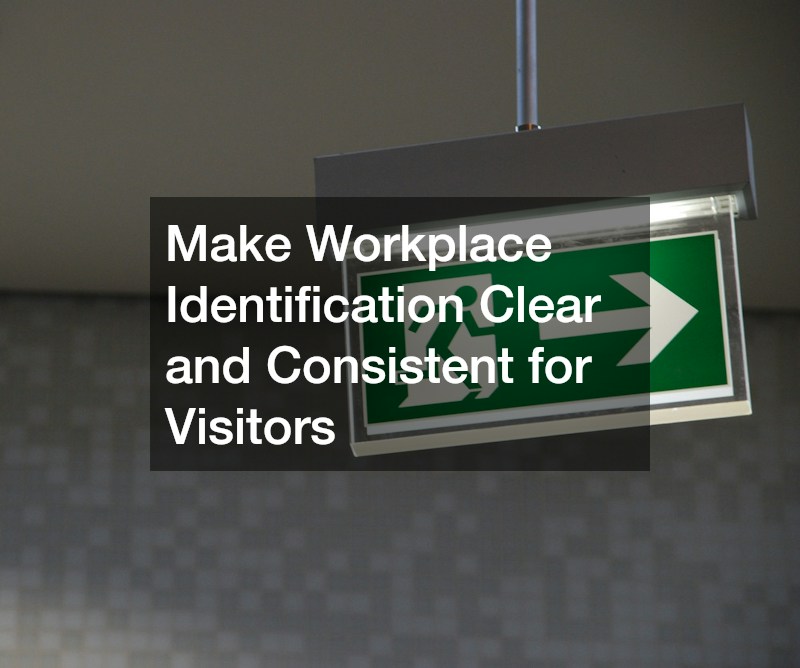
Employees, customers, delivery personnel, and visitors should be able to navigate your property without unnecessary confusion. Missing or unclear signs can make it difficult to locate entrances, departments, meeting rooms, parking areas, and important facilities.
A business signs company can help assess your property’s layout and recommend suitable identification and directional displays. Begin by walking through the building from the perspective of someone unfamiliar with the location. Identify places where visitors may hesitate, take the wrong route, or overlook important information.
When planning signage, consider:
- Placement: Position signs where people need direction or identification.
- Readability: Use lettering and contrast that remain clear from an appropriate distance.
- Consistency: Follow established brand colors, fonts, and design standards.
- Materials: Select products suited to indoor or outdoor conditions.
- Accessibility: Consider visibility and applicable accessibility requirements.
Review signs whenever departments move, entrances change, or business information is updated. Remove outdated displays and replace damaged materials promptly. A consistent signage system improves navigation and presents a more organized workplace.
Use Professional Visual Materials to Support Marketing and Events
Printed displays can help businesses communicate with customers, promote products, and create recognizable spaces at conferences or trade shows. However, effective materials require more than an attractive design. Their dimensions, readability, placement, and production quality should support the intended purpose.
Large format printing is useful for producing banners, posters, backdrops, wall graphics, and other displays. Before ordering, determine where each item will be used and how far away viewers are likely to stand. A banner displayed outdoors may require different materials and finishing than a poster used inside a reception area.
Prepare production files carefully by:
- Checking image resolution and final dimensions.
- Using approved brand colors, logos, and fonts.
- Reviewing spelling, contact details, and promotional information.
- Requesting a proof before authorizing production.
- Confirming delivery dates and installation requirements.
Also consider whether displays will be reused or replaced after a single event. Reusable materials may justify a different investment than short-term promotional pieces. Planning specifications and deadlines early helps prevent production errors and last-minute changes.
Improve the Appearance and Functionality of Commercial Windows
Windows influence how a commercial property looks and functions. Damaged glass, deteriorating frames, faulty seals, and difficult-to-operate windows can affect the building’s appearance and create maintenance concerns. Regular inspections help businesses identify visible problems and determine when professional attention is needed.
Business window restoration may be appropriate when existing windows can be repaired or refurbished rather than replaced entirely. The right option depends on the condition of the glass, frames, hardware, and surrounding structure. Have a qualified professional assess the damage before deciding which work is necessary.
Include window maintenance in your property management routine:
- Look for cracks, chips, and other visible glass damage.
- Check frames for deterioration or signs of moisture.
- Notice whether windows open and close properly.
- Inspect seals for visible gaps or damage.
- Keep glass and accessible window components clean.
For larger commercial properties, maintain a record of inspection dates, reported problems, and completed work. Schedule repairs around business hours when possible to limit disruption. Addressing maintenance concerns promptly can help preserve the property’s appearance and functionality.
Standardize Printed Materials Across Departments and Customer Touchpoints

Business cards, brochures, forms, stationery, labels, and presentation folders all contribute to how a company communicates with customers and employees. When different departments order materials independently, inconsistencies can appear in logos, colors, contact details, and messaging.
Custom printing businesses can help companies produce materials that follow established brand standards. Before placing orders, create approved templates and document specifications for commonly used items. This gives employees a consistent starting point and reduces the likelihood of outdated designs appearing in circulation.
A more organized ordering process should include:
- Brand guidelines: Provide approved logos, colors, fonts, and layouts.
- File preparation: Check dimensions, image quality, and required print settings.
- Proof approval: Assign someone to review every order before production.
- Inventory tracking: Monitor available supplies and reorder before stock runs out.
- Version control: Remove outdated materials when contact details or branding change.
Centralize purchasing when practical so departments can use consistent providers and specifications. Keep digital copies of approved files and record previous order details. These steps reduce duplicated work, simplify repeat purchases, and help maintain a professional presentation across customer interactions.
Improving business operations requires attention to the processes, resources, and workplace conditions that support everyday activities. Financial oversight, clear policies, employee safety, and organized communication provide a foundation for more consistent work. Transportation, events, property maintenance, and printed materials also deserve attention because they influence how employees and customers experience the business.
Start by reviewing your current procedures and identifying recurring problems. Choose improvements that address specific needs, assign responsibility for implementing them, and establish a way to evaluate the results. Document important processes so employees understand their responsibilities and managers can maintain consistency.
It is also useful to review professional service arrangements periodically. As your company grows, its operational requirements may change. Regular evaluation helps you identify when existing resources no longer meet those needs. With practical planning and consistent follow-through, you can build more efficient operations and create a workplace that supports long-term business goals.