
Starting out in construction can feel like stepping into a crowded arena. There are experienced companies with established reputations, deep networks, and polished portfolios—and then there’s you, trying to land your first steady stream of projects. The good news is that winning jobs isn’t about being the biggest or the cheapest. It’s about being strategic, reliable, and easy to trust from the very first interaction.
Below is a practical, in-depth guide to help you do exactly that.
Building a Strong Foundation Before You Bid

Before you even think about submitting bids, you need a clear identity. Too many new business owners try to be everything to everyone, and it weakens their positioning. Clients don’t want vague—they want clarity.
Start by deciding what kind of work you want to pursue. Even if you operate as a general contractor, narrowing your early focus helps you stand out. Maybe you take on residential remodels, light commercial work, or maintenance contracts. Each path requires different messaging, pricing strategies, and relationships.
There’s also a subtle but important distinction in how you present yourself. Some clients are looking for someone to manage full builds, while others want someone who can coordinate ongoing property needs, more like a facilities contractor. If you understand who you’re speaking to, your messaging becomes sharper and more persuasive.
Beyond positioning, your foundation includes the basics:
- Proper licensing and insurance
- A simple but professional brand identity
- Clear communication channels (phone, email, website)
Think of this stage as laying the groundwork for trust. Without it, even the best bid won’t carry much weight. Spend time refining your messaging and making sure everything from your logo to your voicemail sounds consistent and professional.
Creating a Professional Brand That Builds Instant Trust
Imagine a homeowner searching online for help with a renovation. They land on two websites. One looks outdated, has no photos, and barely explains what the company does. The other is clean, shows real project images, and clearly explains services.
Which one gets the call?
You don’t need a massive portfolio to build credibility—you just need to present what you have well. Even small projects can demonstrate quality. For example, a simple upgrade involving custom garage services can showcase craftsmanship, attention to detail, and organization. Likewise, finishing work like a glass installation service can highlight precision and care.
Focus on a few key elements:
- High-quality photos (before, during, and after)
- Clear descriptions of what problems you solve
- Simple navigation and contact options
Your brand isn’t just visual—it’s how you communicate. The tone of your emails, how quickly you respond, and how clearly you explain things all contribute to whether a client feels confident hiring you. Over time, even a modest portfolio can feel powerful when presented with clarity and intention.
Starting with Smaller, High-Demand Jobs to Build Momentum
Many new contractors aim too high too soon. Large projects are appealing, but they’re harder to win without a track record. Smaller, urgent jobs are often the better entry point.
Think about the kinds of services people need quickly. When someone’s system fails, and they need an AC replacement, they aren’t shopping around for weeks—they want someone reliable right now. The same goes for property issues that require a tree removal service after a storm or when safety becomes a concern.
These jobs offer three major advantages:
- Faster decision-making from clients
- Shorter project timelines
- Opportunities to collect reviews and referrals quickly
One completed job can lead to another. A homeowner might call you for one issue, then ask about additional improvements once they trust your work.
Momentum builds quietly at first, then all at once. The goal is to stack small wins until they create a steady flow of work and confidence.
Leveraging Strategic Partnerships to Get Consistent Leads
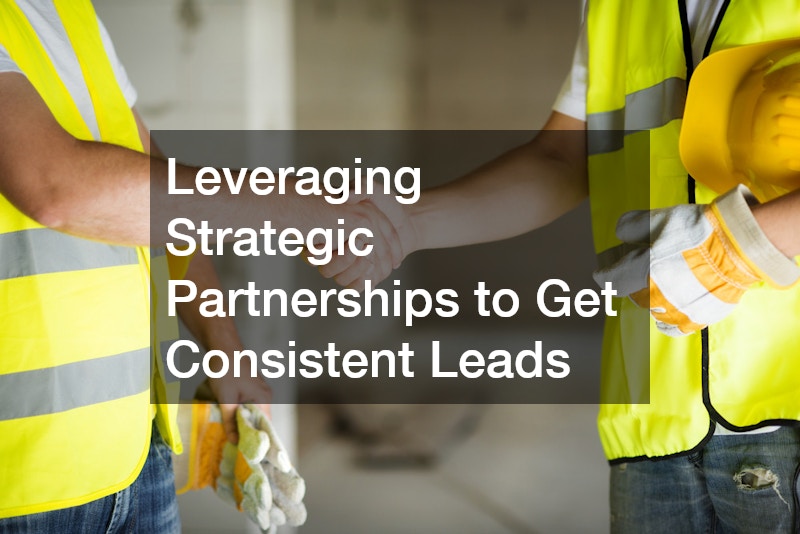
If you rely only on direct customer inquiries, growth can feel slow and unpredictable. Partnerships change that.
Think about the people who already have access to your ideal clients:
- Real estate agents
- Property managers
- Developers
- Other trades
For example, contractors involved in site preparation or local demolition often encounter clients who need additional work afterward. If you build relationships with those professionals, you can position yourself as the next step in the process.
Similarly, companies that operate as a facilities contractor often manage multiple properties and need reliable subcontractors. Becoming part of that network can provide ongoing work instead of one-off projects.
The key is to approach partnerships as long-term relationships, not quick transactions. Show up consistently, communicate well, and deliver on promises. Over time, referrals start to feel like a steady pipeline rather than occasional luck, giving your business more stability.
Mastering Job Estimates That Win Without Being the Cheapest
Pricing is where many new contractors struggle. There’s a temptation to underbid just to secure work, but that approach quickly leads to burnout and thin margins.
Instead, focus on clarity and professionalism. A strong estimate does more than list a number—it explains value.
Break your estimate into understandable sections. For example, if a project includes surface work like sealcoating, outline the process, materials, and expected results. When clients understand what they’re paying for, they’re less likely to compare you purely on price.
Consider including:
- A clear scope of work
- Timeline expectations
- Payment structure
- Any assumptions or exclusions
And don’t underestimate the power of a follow-up. Many jobs are won simply because you checked in, answered questions, and stayed engaged while others went silent. A well-presented estimate can set you apart even before the work begins.
Using the Right Tools to Improve Efficiency and Output
Efficiency isn’t just about speed—it’s about consistency and quality. The tools you use play a huge role in both.
Early on, you may not want to invest heavily in equipment. That’s where equipment rentals become valuable. Renting allows you to take on a wider range of jobs without committing to high upfront costs.
At the same time, certain essentials—like reliable outdoor power tools—can significantly improve your workflow. The right tools reduce errors, speed up tasks, and create better results for your clients.
It’s a balance:
- Own the tools you use frequently
- Rent specialized equipment when needed
- Avoid overinvesting before your workload justifies it
As your business grows, your toolkit will evolve naturally. Let your projects guide those decisions rather than guessing what you might need later.
Building a Reputation Through Reviews and Referrals

Your reputation is your most powerful marketing tool, especially in the early stages. A handful of strong reviews can outweigh a large advertising budget.
After completing a job—whether it’s something like custom garage services or a time-sensitive AC replacement—ask for feedback. Timing matters. The best moment is right after the client expresses satisfaction.
Make it easy:
- Send a direct review link
- Keep your request simple and polite
- Thank them regardless of whether they leave one
Referrals often follow naturally when clients feel genuinely taken care of. Sometimes it’s as simple as saying, “If you know anyone else who needs help, feel free to pass along my information.”
It doesn’t need to be complicated. It just needs to be consistent. Over time, these small efforts compound into a strong local reputation.
Marketing Your Services Locally with Smart, Low-Cost Strategies
You don’t need a massive marketing budget to get noticed. Local visibility matters more than broad reach when you’re starting out.
One of the most effective tools is your online presence. Keep your business profile updated with photos, services, and contact information. Post updates from recent jobs—whether it’s clearing a site for local demolition or coordinating a tree removal service.
Beyond online platforms, don’t overlook community connections. Local groups, neighborhood forums, and word-of-mouth still carry weight.
A few simple strategies:
- Share progress photos from active projects
- Respond to inquiries quickly and professionally
- Stay visible in your local area
Consistency beats complexity every time. Showing up regularly builds familiarity, and familiarity builds trust.
Communicating Like a Pro to Close More Deals
You can have the best skills in the world, but if communication falls short, you’ll lose jobs.
Clients want clarity. They want to know what’s happening, when it’s happening, and what to expect. This is especially true for detailed work, such as a glass installation service or projects involving finishing steps like sealcoating.
Responding Quickly Without Sacrificing Quality
Speed matters more than most new contractors realize. When a potential client reaches out, they’re often contacting multiple businesses at once. The first person to respond professionally already has an advantage.
That doesn’t mean firing off rushed, one-line replies. Instead, aim for a balance: acknowledge the inquiry quickly, then follow up with more detail if needed. Even a short message like, “Got your request—I’ll review and send details shortly,” shows reliability.
Delays, on the other hand, create doubt. If communication is slow before the job even starts, clients assume it will only get worse later.
Setting the Tone During the First Conversation
The initial consultation is where many jobs are quietly won or lost. Clients are evaluating more than your expertise—they’re paying attention to how easy you are to work with.
Instead of jumping straight into pricing or technical details, take a moment to understand their situation. Ask open-ended questions that reveal motivation, urgency, and expectations.
For detailed work, this step is especially important. Clients may not fully understand the process, so your ability to explain it clearly builds confidence early.
Explaining the Process in Plain Language
One of the fastest ways to lose trust is by overcomplicating things. Industry jargon might make sense to you, but it can overwhelm or confuse clients.
Break your explanations into simple, logical steps:
- What will be done
- How it will be done
- How long will it take
- What the result will look like
Clarity reduces hesitation. When people understand what’s happening, they feel more comfortable moving forward.
Addressing Concerns Before They Become Objections
Many objections aren’t actually about price—they’re about uncertainty. Clients worry about delays, unexpected costs, or poor results, even if they don’t say it directly.
Good communication brings those concerns into the open. If something might impact the timeline or cost, explain it upfront. Transparency builds trust far more effectively than perfection.
Listening Actively Instead of Waiting to Respond
Listening isn’t just hearing words—it’s understanding intent. Clients often struggle to describe what they want, especially if they’re unfamiliar with construction work.
Repeat key points back to them to confirm understanding. This not only avoids mistakes but also shows respect for their input.
When people feel heard and understood, they’re far more likely to move forward with you.
Following Up Without Feeling Pushy
Many contractors lose jobs simply because they don’t follow up. After sending an estimate, silence can be misinterpreted as disinterest.
A thoughtful follow-up keeps the conversation alive without pressure. It shows professionalism and commitment.
Creating a Consistent Communication Experience
Clients notice patterns. If you’re responsive and clear at the beginning, they expect that same level of communication throughout the project.
Consistency builds confidence. Regular updates, proactive communication, and availability all contribute to a smoother experience.
Turning Good Communication Into a Competitive Advantage
Most contractors focus on workmanship—and they should—but communication is often the deciding factor when clients choose between similar options.
Being easy to reach, clear in your explanations, and honest in your expectations sets you apart. Over time, this becomes part of your reputation and a key driver of repeat business.
Delivering Results That Turn One Job Into Many
Winning the job is only the beginning. What happens after you secure it determines whether your business grows.
Execution matters. Finishing on time, staying organized, and maintaining quality are non-negotiable. Even small details—like keeping the job site clean or communicating delays—leave lasting impressions.
Your tools and planning play a role here, too. Reliable outdoor power tools help maintain consistency, while smart use of equipment rentals ensures you’re prepared for specialized tasks.
At the end of each project, think beyond completion:
- Document your work with photos
- Ask for feedback
- Stay in touch with the client
One satisfied customer can lead to multiple future opportunities. Over time, those connections become the backbone of your business. Consistency in delivery reinforces everything you promised during the sales process, closing the loop between expectation and reality.
Building a successful contracting business doesn’t happen overnight. It’s the result of steady effort, thoughtful decisions, and a commitment to doing things the right way—even when no one is watching.
If you focus on trust, consistency, and clear communication, the jobs will come. And once they do, your ability to deliver will keep them coming back.